Grow the same crop in the same soil and its problems build up.
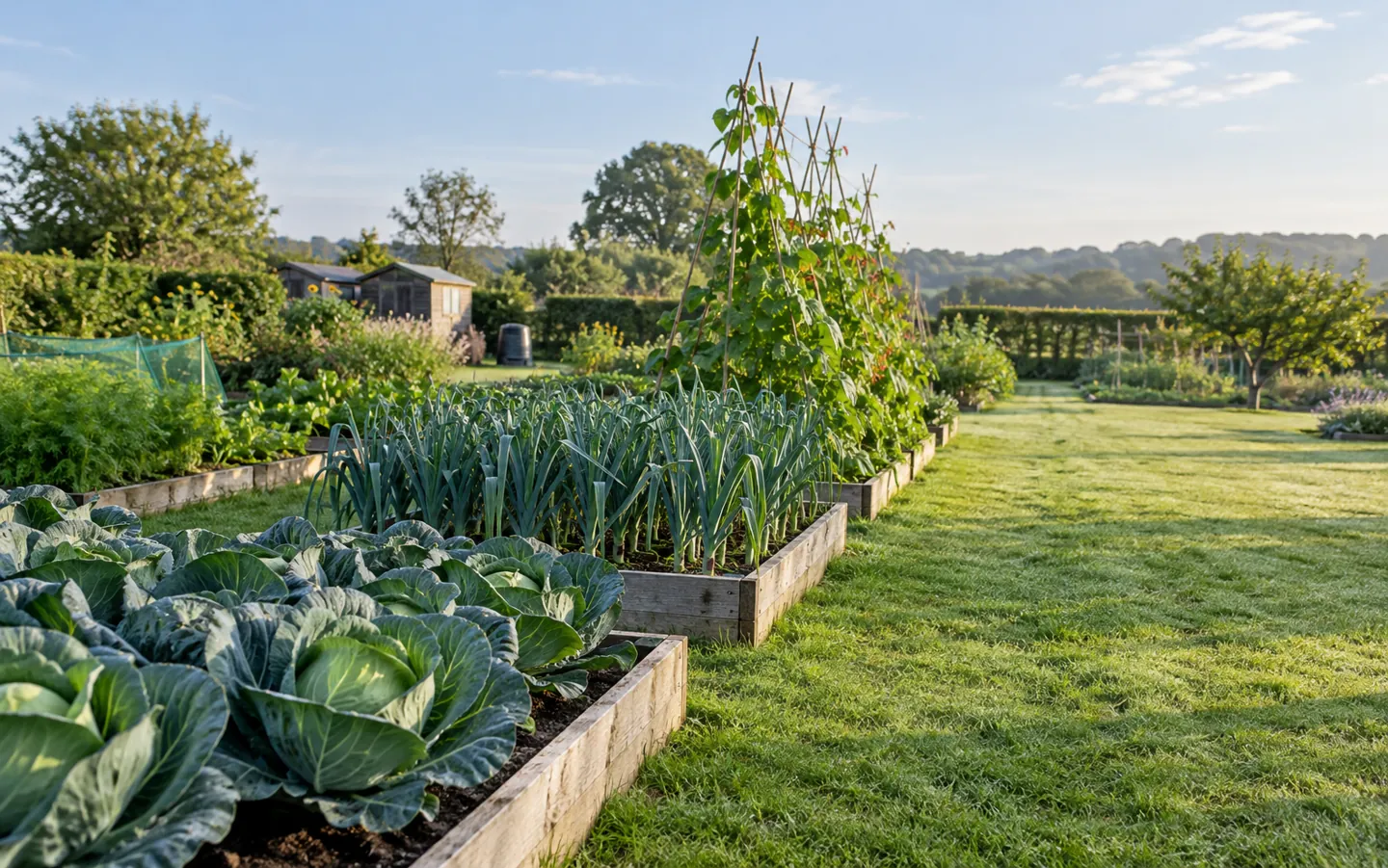
The Royal Horticultural Society's advice for vegetable gardens is simple: group crops by family, split the plot into sections and move each section a step forward every year.
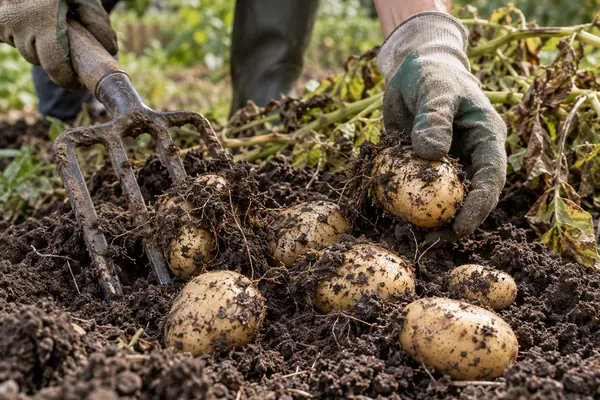
Potato cyst nematode eggs can survive for up to ten years in some soils, so the RHS suggests at least 5 to 6 years between potato crops where there is a problem.
Pick a crop group to see what the RHS says about where it goes. The bar shows how strongly the guidance points to keeping it on the move.
Based on Royal Horticultural Society advice on crop rotation, club root, onion white rot and potato cyst nematodes. General gardening information only.
TWO NUMBERS WORTH KNOWING
Some problems outlast any plan.
Rotation slows soil problems down. A few last longer than any rotation can.
20 years
How long resting spores can stay in soil
The RHS says club root resting spores can contaminate soil for up to 20 years. It affects cabbages, sprouts, cauliflowers, turnips, swedes and radishes, and relatives such as wallflowers.
CLUB ROOT · RHS
15+ years
How long sclerotia can stay in soil
Onion white rot sclerotia can remain in the soil for at least 15 years, the RHS says, though they will not always survive that long.
WHITE ROT · RHS
For both diseases the RHS stresses hygiene: buy brassica plants from a club root-free source and avoid moving contaminated soil on tools, wheelbarrows or footwear, especially on shared plots such as allotments.
THE THREE-BED PLAN
Three sections, three years.
This is the RHS's three-year plan, built around potatoes and brassicas. Each year, move every section one step forward.
Split the plot into three
Make three equal sections, plus an extra one for perennials such as rhubarb and asparagus if you grow them.
Section 1 brassicas; section 2 potatoes; section 3 legumes, onions and roots. Then start again.
AI-generated image, not a photograph of a real person or place.AI-generated image, not a photograph of a real person or place.
FOUR BEDS AND GREEN MANURES
More beans, fewer potatoes.
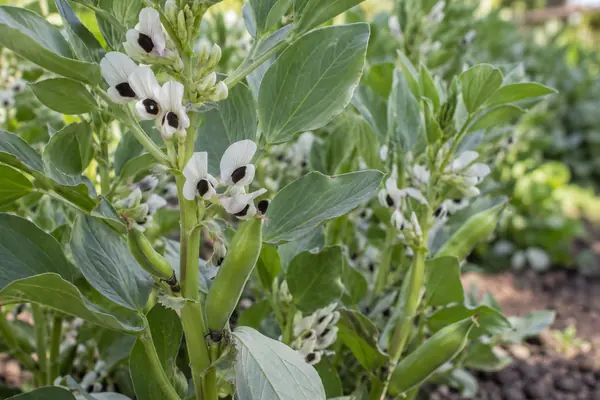
If you grow more legumes and onion-type crops and fewer potatoes and brassicas, the RHS suggests a four-year plan, with legumes, brassicas, potatoes, and onions and roots each moving one bed along every year.
Green manures need a place in the rotation too, because they can suffer the same diseases as vegetables in their family. The RHS warns that mustard, a brassica, should not be followed by other brassicas, as it could encourage club root.
Questions
Questions people ask
Why rotate vegetable crops at all?
The RHS says crop rotation helps reduce a build-up of crop-specific pests and diseases. Changing crops each year can also help balance soil nutrients and reduce weed problems.
What are the main rotation groups?
The RHS uses brassicas, legumes, onions, the potato family and roots. Peppers and aubergines can go anywhere in the rotation, and cucurbits, salads and sweetcorn wherever is convenient.
Is a three- or four-year rotation better?
Both appear in RHS guidance. The three-year plan suits plots built around potatoes and brassicas; the four-year plan suits growers who want more legumes and onion-type crops and fewer potatoes and brassicas.
Does rotation cure club root?
No. The RHS says club root spores can stay in soil for up to 20 years. Raising soil pH reduces it but does not eliminate it, and there are no chemicals available to gardeners to treat it.
Where do rhubarb and asparagus go?
Perennials stay put. The RHS suggests dividing the plot into equal sections for the rotation, plus an extra section for perennial crops.